



Richard D. – UK
“The AUVA EQ Isolators are excellent examples of how well-designed isolation can elevate a high-fidelity system. They don’t fundamentally change the character of your components or speakers, but rather allow them to perform closer to their true potential.”
“I have been music lover and hifi enthusiast for over 30 years and I constantly seeking to extract the utmost performance from my system, I’ve had my share of experiences with various isolation products. Recently, I’ve had the pleasure of integrating Stack Audio’s AUVA 100 speaker isolators and AUVA EQ component isolators into my setup, and the results have been genuinely impressive.
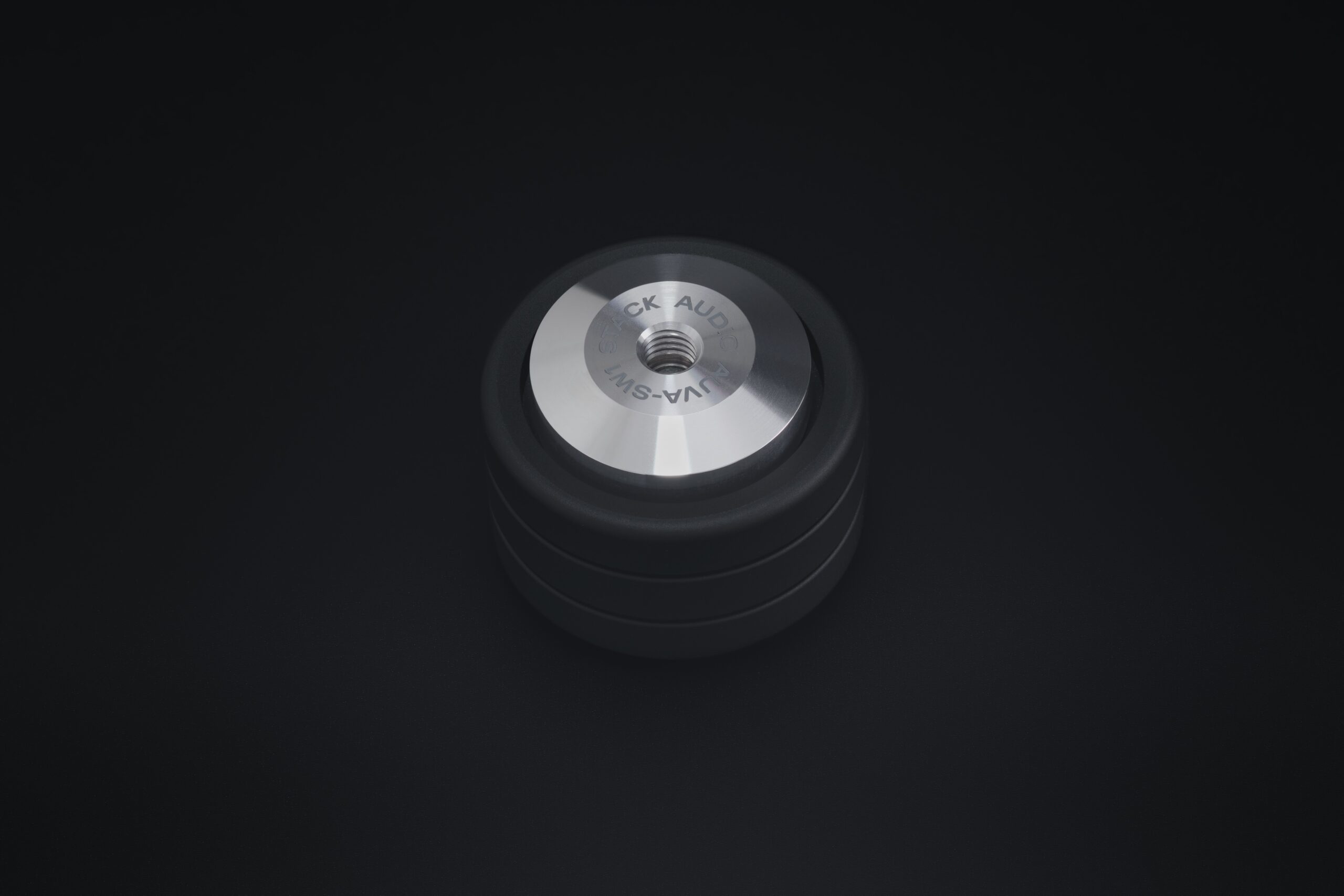
The core technology behind both, the “Particle Impact Damping,” initially sounded like something from a science fiction novel, but in practice, it delivers. The idea is to rigidly support the equipment while simultaneously absorbing unwanted vibrations through the movement and collisions of internal particles. This differs from many traditional isolation methods that rely solely on compliant materials.
On the Stack Audio AUVA 100 Isolators (for speakers):
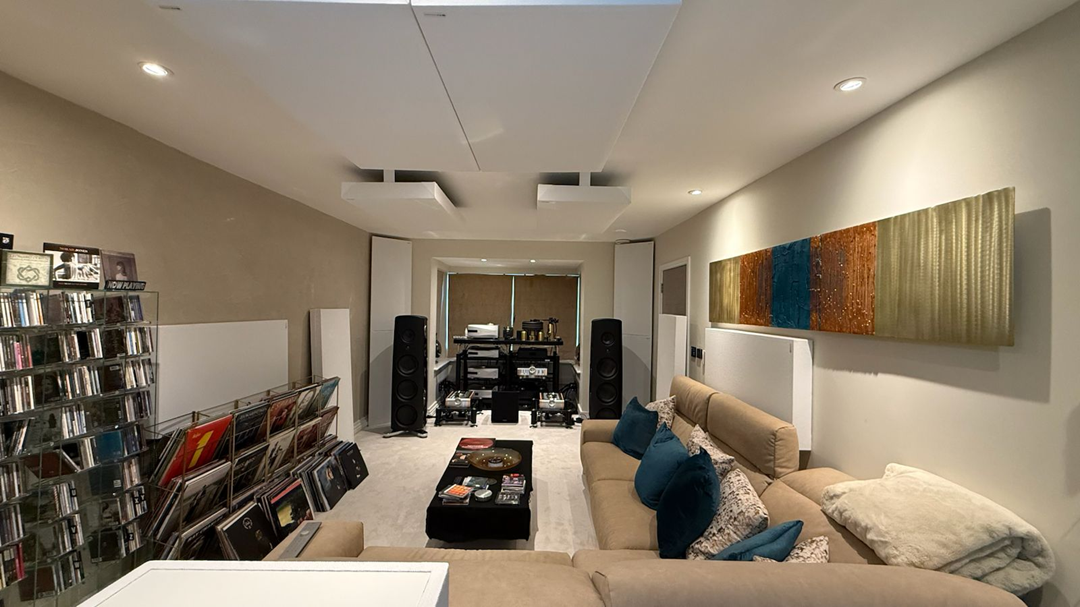
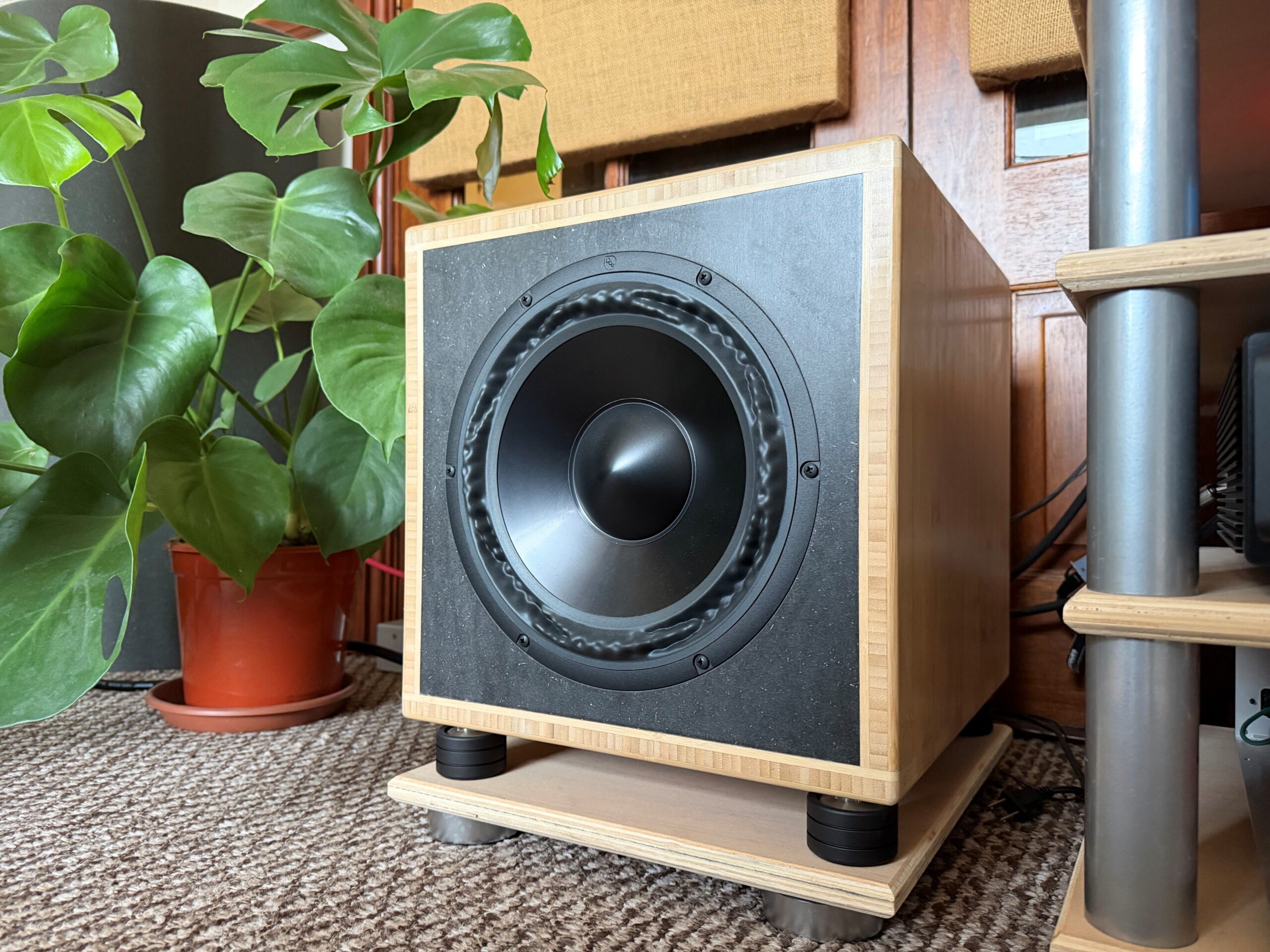
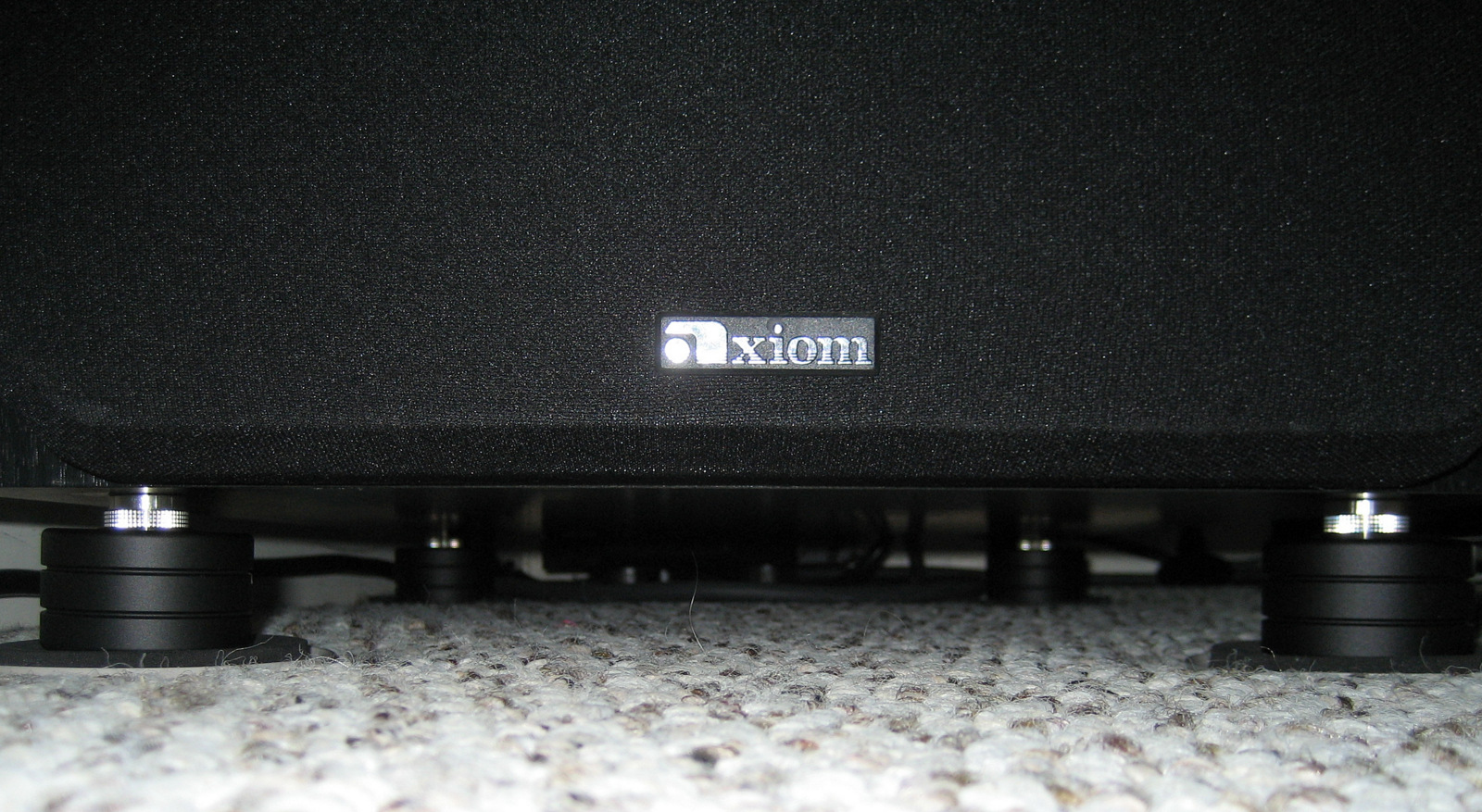
Placing the AUVA 100s under my speakers was the first step. Visually, they are substantial and well-engineered, adding a touch of industrial elegance to the speaker stands. The immediate sonic impact was not a subtle “night and day” difference, as some might hope for with any tweak, but rather a profound refinement of the sound.
The most noticeable improvement was in bass definition and control. My speakers (Kerr Acoustic K200), already capable, seemed to gain an extra layer of precision in the lower frequencies. Bass notes became tighter, more articulate, and less prone to blurring, even in complex passages. This wasn’t about more bass, but better bass – leaner, faster, and with improved texture.
Beyond the bass, the soundstage opened up significantly. There was a greater sense of space around instruments and vocals. Imaging became more pinpoint where everything is much easier
to follow . Vocals, in particular, seemed to gain clarity and presence, becoming easier to decipher and more emotionally engaging. It felt as if a veil had been lifted, revealing nuances I hadn’t fully appreciated before.
The music flowed more effortlessly, creating a more natural and involving listening experience.
On the Stack Audio AUVA EQ Isolators (for components):
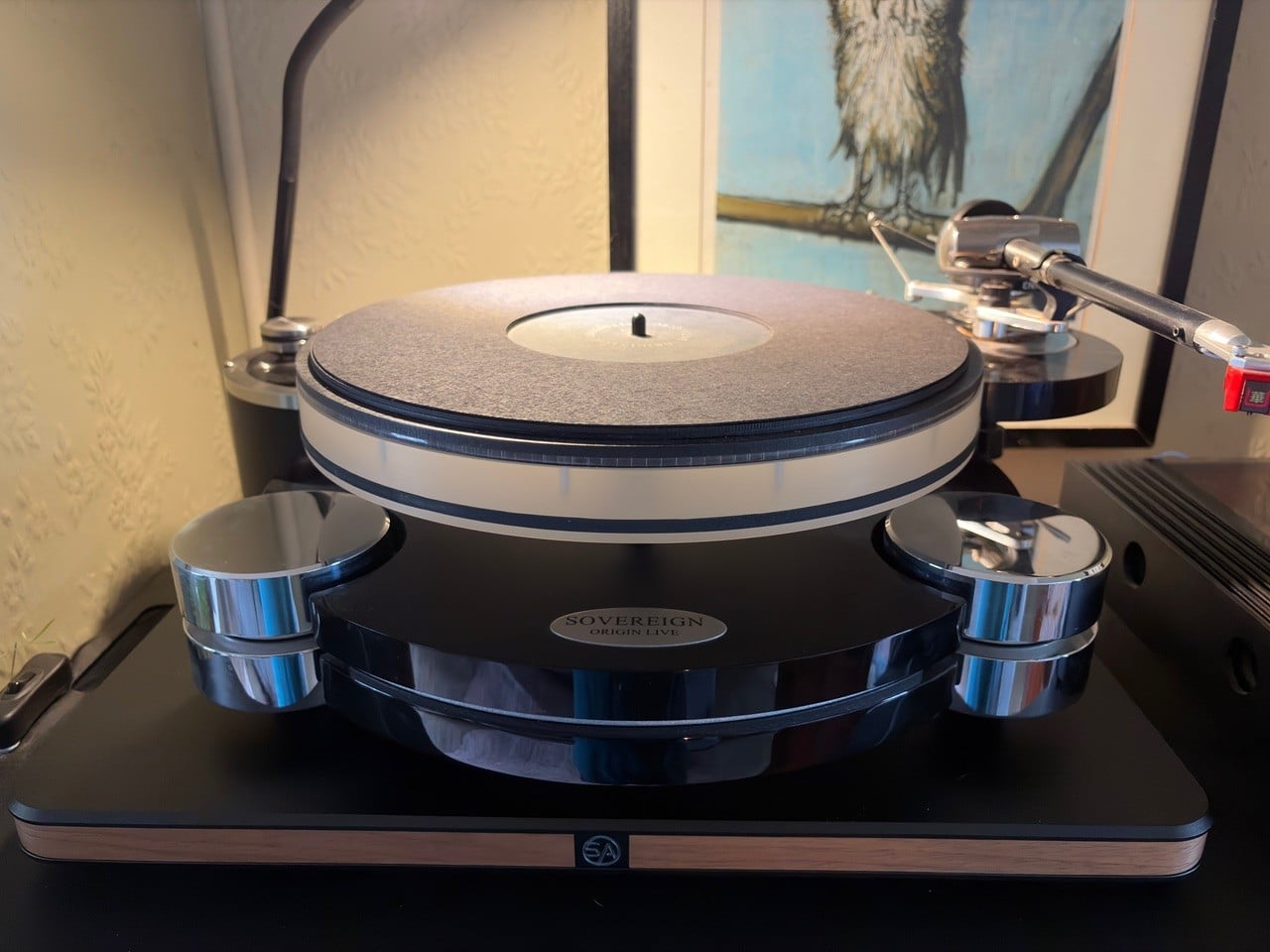
Encouraged by the speaker isolators, I introduced the AUVA EQs under all my electronic components, starting with my digital source, Cen.Grand DSDAC 1.0 Advance. Each isolation platform has SA AUVA EQ specifically for the certain weight. These smaller, more discreet isolators work on the same principle, aiming to decouple sensitive electronics from vibrational interference.
The EQs delivered similar benefits to their larger speaker counterparts, albeit on a more nuanced scale. I perceived an increase in overall resolution and detail. Subtle reverbs and low-level information in recordings became more apparent, contributing to a richer and more realistic soundstage. The sense of clarity extended across the frequency spectrum, making it easier to follow individual instrumental lines.
There was also an improvement in spatial focus. Images within the soundstage became more sharply defined and had a greater sense of three-dimensionality. With all these the music becomes more natural and more engaging.
Overall Thoughts:
Both the AUVA 100 and AUVA EQ isolators are excellent examples of how well-designed isolation can elevate a high-fidelity system. They don’t fundamentally change the character of your components or speakers, but rather allow them to perform closer to their true potential by minimizing the impact of environmental vibrations. The improvements are cumulative and contribute to a more natural, detailed, and engaging listening experience.
While these products represent an investment, for those serious about getting the best from their audio equipment, the sonic enhancements they provide are, in my opinion, well worth the outlay. They are a testament to the fact that addressing vibration can be one of the most impactful upgrades in a high-end audio system.”



 EN
EN  DE
DE  NL
NL  FR
FR  JA
JA  PT
PT  ES
ES  SV
SV  IT
IT  FI
FI